

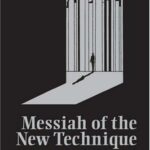
Messiah of the New Technique
$55.00
| Title | Range | Discount |
|---|---|---|
| Trade Discount | 5 + | 25% |
- Description
- Additional information
Description
Messiah of the New Technique: John Howard Lawson, Communism, and American Theatre, 1923–1937 is a critical and political biography and a cultural and social history that focuses on Lawson’s career in the theatre. Using a materialist methodology, Jonathan L. Chambers emphasizes the evolution and interplay of the playwright’s artistic vision and political ideology, considering his art as both a documentation of this evolution and a product of the socio-political and cultural matrix in which he was immersed. Spanning the playwright’s career, the volume details Lawson’s early indoctrination in and commitment to the avant-garde, his use and development of various nonrealistic playwriting techniques, his subtle though unfocused attacks on bourgeois society, and the varied critical responses he received. Chambers addresses Lawson’s involvement with the New Playwrights’ Theatre and his participation in the protests surrounding the case of Nicola Sacco and Bartolomeo Vanzetti, which stimulated his growing commitment to left-wing politics and radical causes. Chambers also analyzes the social and cultural factors that shaped Lawson’s growing interest in revolutionary politics, his tutelage in Marxism under Edmund Wilson, and his tenure as president of the Screen Writers Guild. He also covers the final phase of Lawson’s playwriting career, which reveals the playwright’s internal struggle. That struggle, suggests Chambers, pitted Lawson’s view of aesthetics against his political ideology and is reflected in his scripts and theoretical writings. Messiah of the New Technique provides a wealth of new material about both the playwright and the period, offering a critical synopsis of the artist’s career, addressing his often vehement rebuttals to his critics, and summarizing both his political activism and his creative and critical endeavors in the last forty years of his life.
Messiah of the New Technique is a critical and political biography and a cultural and social history that focuses on Lawson’s career in the theatre. Using a materialist methodology, Jonathan L. Chambers emphasizes the evolution and interplay of the playwright’s artistic vision and political ideology, considering his art as both a documentation of this evolution and a product of the socio-political and cultural matrix in which he was immersed.
Jonathan L. Chambers is an assistant professor and the graduate studies coordinator in the Department of Theatre and Film at Bowling Green State University. His articles have appeared in the Journal of American Drama and Theatre, New England Theatre Journal, Theatre Annual, Theatre Symposium, and Theatre History Studies. He is currently president of the American Theatre and Drama Society.
Over the past five years the Southern Illinois University Press’s “Theater in the Americas”series, edited by Robert A. Schanke, has produced an array of manuscripts that explore some ofthe most provocative and largely overlooked practitioners, organizations, and movements of themodern theater tradition in the United States. Titles have included works on Sophie Treadwell,the little theater movement, and Mordecai Gorelick; with this new study of John HowardLawson, the SIU Press series continues not only to preserve, but also to enhance, its inimitablevoice in the study of both modernity and theater within U.S. national culture. This recent addition to the SIU Press series deftly situates the marginalized, half-hidden workof communist playwright John Howard Lawson within a broader community of socially-aware,politically-engaged creative artists. It also offers an astute look at the trials and tribulations ofthe literary and artistic left in the years between the First World War and the Second WorldWar. In doing so, Messiah of the New Technique encourages not only the “reconsideration ofLawson’s career and the cultural and political left of the interwar years” but also the “larger culturalmatrix of that historical moment” (3). The potency of this much needed study is enrichedby Chambers’s meticulous examination of Lawson’s lived experiences, play scripts, letters, andtheoretical writings regarding 1920s and 1930s theater as “material manifestations chroniclingone man’s journey to define who he was and where he belonged in the world as he venturedfrom ‘artist-rebel’ to ‘political revolutionary’” (204). From the start it is apparent that Chambersis neither necessarily concerned with, nor particularly intrigued by, value judgments of Lawson’splays in production, choosing instead to concentrate his efforts on illustrating ways in whichLawson “was both a product and producer of the social energy specific to this era” (204). By way of introduction, Chambers takes great care to highlight the fact that a preponderanceof existing scholarship has all but dismissed Lawson as a key “player in the evolution of UnitedStates drama” (4), with many publications offering nothing more than a “reductive view ofLawson’s career in theatre” (5). This judgement, argues Chambers, warrants greater reflectiongiven that during the interwar years Lawson penned Roger Bloomer (1923), Processional (1925),Success Story (1932), Marching Song (1937), among several other plays, as well as the innovativefusion of his Marxist aesthetics and writing style, Theory and Technique of Playwriting (1936).Chambers’s egalatarian approach provides a thoughtful, cogent inquiry into all of Lawson’s lifein theater. Having carved out both niche and need, Chambers sets about the task of delineatinghis research frame, which is noticeably indebted to both neoMarxist criticism and the tenets ofNew Historicism. This deployment of materialist historiography provides a “long-overdue newreading of Lawson scripts for the theatre” as well as “a much needed study of the context thatenveloped him” (13). Opening with Lawson’s early life as the son of practicing Christian Scientists, continuingthrough his 1914 graduation from Williams College, and converging on the awakening of hisaesthetic sensibilities and political beliefs, Chambers recounts the beginnings of Lawson’s “intellectualand spiritual upheaval that would continue and intensify through the middle years ofthe 1930s” (21). This upheaval led Lawson both to make an early foray into commercial theaterand then out of it shortly thereafter when he enlisted in the French ambulance corps wherehe became fast friends with John Dos Passos. For Chambers, the relationship with Dos Passosand wartime service in France provided the seed for both Lawson’s commitment to revolutionarypolitics and his certainty that theater is a “pulpit from which he could communicate radicalcontent” (22). Aesthetically and ideologically somewhere between Sheldon Cheney and MichaelGold, Lawson’s scripts of the mid-1920s bore the mark of a broader, ongoing clash between thesediffering attitudes and approaches to leftist art and politics. Chambers deftly traces Lawson’spersistent yearning to break down the walls of the theatre (34) and beat the drums of rebellion(82) and he also investigates changes in the U.S. leftist community that complicated suchdesires from the outset. It is, as Chambers proposes, the dynamic interplay between Lawson’s ever-evolving modeof thought, the varied sociopolitical and cultural events in the United States (for example, theexecution of Sacco and Vanzetti in 1927), and his method of artistic expression that eventuallypresented Lawson with a thorny path to commitment at the dawn of the 1930s (119). With thefirst years of the decade being what they were in the United States, Lawson “slowly began toawaken to the view that Communism was ‘an American force, which had moral and intellectualimplications that could not be ignored’” (153). Aiding this shift was Lawson’s role in organizingthe Screen Writers Guild, his successful 1934 return to New York theater, and the subsequentthree-year period in which his ideas regarding art and politics were confronted and shapedanew by an emergent and passionate social energy (195). It is this very energy, however, thatultimately carried Lawson back to Hollywood for good in 1937 where he soon emerged as theleader of several radical and revolutionary organizations including a local chapter of the CommunistParty. Since Messiah of the New Technique is most concerned with Lawson’s life in thetheater, its closing pages only briefly address his political activism during the 1940s and 1950s,the HUAC hearings, the “Hollywood Ten,” and incarceration. Messiah of the New Technique is a refreshing addition to the study of the modern theatertradition in the United States as well as the cultural and political left of the interwar years. Theprimary strength of this manuscript is Chambers’s dedication to crafting a narrative that resists a“hermeneutical, linear, and strictly formalist method of analysis” (12). As such, his prose capturesa sense of social energy and inner turmoil that most critical and political biographies and socialand intellectual histories do not. In doing so, Chambers challenges all of us who research andwrite about the intertextuality of modernity and U.S. national culture not only to re-examineour received narratives but also to interrogate our chosen methodologies.
Over the past five years the Southern Illinois University Press’s “Theater in the Americas”series, edited by Robert A. Schanke, has produced an array of manuscripts that explore some ofthe most provocative and largely overlooked practitioners, organizations, and movements of themodern theater tradition in the United States. Titles have included works on Sophie Treadwell,the little theater movement, and Mordecai Gorelick; with this new study of John HowardLawson, the SIU Press series continues not only to preserve, but also to enhance, its inimitablevoice in the study of both modernity and theater within U.S. national culture. This recent addition to the SIU Press series deftly situates the marginalized, half-hidden workof communist playwright John Howard Lawson within a broader community of socially-aware,politically-engaged creative artists. It also offers an astute look at the trials and tribulations ofthe literary and artistic left in the years between the First World War and the Second WorldWar. In doing so, Messiah of the New Technique encourages not only the “reconsideration ofLawson’s career and the cultural and political left of the interwar years” but also the “larger culturalmatrix of that historical moment” (3). The potency of this much needed study is enrichedby Chambers’s meticulous examination of Lawson’s lived experiences, play scripts, letters, andtheoretical writings regarding 1920s and 1930s theater as “material manifestations chroniclingone man’s journey to define who he was and where he belonged in the world as he venturedfrom ‘artist-rebel’ to ‘political revolutionary’” (204). From the start it is apparent that Chambersis neither necessarily concerned with, nor particularly intrigued by, value judgments of Lawson’splays in production, choosing instead to concentrate his efforts on illustrating ways in whichLawson “was both a product and producer of the social energy specific to this era” (204). By way of introduction, Chambers takes great care to highlight the fact that a preponderanceof existing scholarship has all but dismissed Lawson as a key “player in the evolution of UnitedStates drama” (4), with many publications offering nothing more than a “reductive view ofLawson’s career in theatre” (5). This judgement, argues Chambers, warrants greater reflectiongiven that during the interwar years Lawson penned Roger Bloomer (1923), Processional (1925),Success Story (1932), Marching Song (1937), among several other plays, as well as the innovativefusion of his Marxist aesthetics and writing style, Theory and Technique of Playwriting (1936).Chambers’s egalatarian approach provides a thoughtful, cogent inquiry into all of Lawson’s lifein theater. Having carved out both niche and need, Chambers sets about the task of delineatinghis research frame, which is noticeably indebted to both neoMarxist criticism and the tenets ofNew Historicism. This deployment of materialist historiography provides a “long-overdue newreading of Lawson scripts for the theatre” as well as “a much needed study of the context thatenveloped him” (13). Opening with Lawson’s early life as the son of practicing Christian Scientists, continuingthrough his 1914 graduation from Williams College, and converging on the awakening of hisaesthetic sensibilities and political beliefs, Chambers recounts the beginnings of Lawson’s “intellectualand spiritual upheaval that would continue and intensify through the middle years ofthe 1930s” (21). This upheaval led Lawson both to make an early foray into commercial theaterand then out of it shortly thereafter when he enlisted in the French ambulance corps wherehe became fast friends with John Dos Passos. For Chambers, the relationship with Dos Passosand wartime service in France provided the seed for both Lawson’s commitment to revolutionarypolitics and his certainty that theater is a “pulpit from which he could communicate radicalcontent” (22). Aesthetically and ideologically somewhere between Sheldon Cheney and MichaelGold, Lawson’s scripts of the mid-1920s bore the mark of a broader, ongoing clash between thesediffering attitudes and approaches to leftist art and politics. Chambers deftly traces Lawson’spersistent yearning to break down the walls of the theatre (34) and beat the drums of rebellion(82) and he also investigates changes in the U.S. leftist community that complicated suchdesires from the outset. It is, as Chambers proposes, the dynamic interplay between Lawson’s ever-evolving modeof thought, the varied sociopolitical and cultural events in the United States (for example, theexecution of Sacco and Vanzetti in 1927), and his method of artistic expression that eventuallypresented Lawson with a thorny path to commitment at the dawn of the 1930s (119). With thefirst years of the decade being what they were in the United States, Lawson “slowly began toawaken to the view that Communism was ‘an American force, which had moral and intellectualimplications that could not be ignored’” (153). Aiding this shift was Lawson’s role in organizingthe Screen Writers Guild, his successful 1934 return to New York theater, and the subsequentthree-year period in which his ideas regarding art and politics were confronted and shapedanew by an emergent and passionate social energy (195). It is this very energy, however, thatultimately carried Lawson back to Hollywood for good in 1937 where he soon emerged as theleader of several radical and revolutionary organizations including a local chapter of the CommunistParty. Since Messiah of the New Technique is most concerned with Lawson’s life in thetheater, its closing pages only briefly address his political activism during the 1940s and 1950s,the HUAC hearings, the “Hollywood Ten,” and incarceration. Messiah of the New Technique is a refreshing addition to the study of the modern theatertradition in the United States as well as the cultural and political left of the interwar years. Theprimary strength of this manuscript is Chambers’s dedication to crafting a narrative that resists a“hermeneutical, linear, and strictly formalist method of analysis” (12). As such, his prose capturesa sense of social energy and inner turmoil that most critical and political biographies and socialand intellectual histories do not. In doing so, Chambers challenges all of us who research andwrite about the intertextuality of modernity and U.S. national culture not only to re-examineour received narratives but also to interrogate our chosen methodologies.
Additional information
| Weight | 1 oz |
|---|---|
| Dimensions | 1 × 6 × 9 in |