

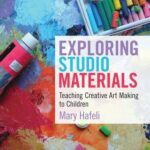
Exploring Studio Materials
$74.99
| Title | Range | Discount |
|---|---|---|
| Trade Discount | 5 + | 25% |
- Description
- Additional information
Description
Exploring Studio Materials: Teaching Creative Art Making to Children is a transformative approach to teaching art in elementary and secondary schools. Based on the model of how real artists create their work, the text encourages teachers to work with the most common media and materials found
in the Pre-K-12 curriculum. Hafeli provides a rich blend of real-life examples and suggested classroom activities in order to help fledgling art teachers learn how to implement creative arts programs that will produce exceptional results.
Rather than following a structure based on preconceived ideas, the book encourages experimental techniques with the materials that teachers commonly use in elementary and secondary classrooms. Therefore, teaching methodologies emerge from the activities themselves, rather than vice versa. Based on
her own research, teaching, and contemporary approaches to arts education, this approach is an effective model for bringing artistic creativity into the school curriculum.
Distinctive Features* Encourages teachers to work with the most common media and materials found in the Pre-K-12 curriculum
* Establishes a meaningful, organic, and creative process in which teachers are discovering along with students
* Includes a rich combination of real-life examples and suggested classroom activities
Preface1. Rethinking the Role of Materials in Studio Practice
Understanding Studio Practices
Thinking Like an ArtistFrom Material to Medium
Material Memories
Studio Materials in Teaching: Classroom Snapshots
Seur-DOTS! with Ms. GerardoPortrait Stereotypes with Mr. Cooley
Winter Wonderland with Mrs. Brooks
Expressive Painting with Ms. Angelo
Encouraging Independent Artistry
Exploring Materials as an Artist-Teacher: Getting Started
Opening Up Possibilities and Becoming ExperimentalDocumenting Material Insights: Setting Up Your Studio Journal
2. Working Mostly Dry: Graphite, Charcoal, Pastels, Crayons, InkFiguring out What Materials Can Do
Choosing Materials, Supports, and Drawing ToolsDrawing With Limited Colors
Working DryAdding Water
Studio Reflections: Drawing with Limited Colors
Drawing With Many Colors
Working DryAdding Water
Studio Reflections: Drawing with Many Colors
More Artists on Media
Artist Profile: Rebecca ClarkArtist Profile: Elaine Kaufmann
Artist Profile: Jason D’Aquino
Artist Profile: Ernest Concepcion
Thoughts About Drawing as a Studio Practice
Setting Up for Working With Drawing Materials
Establishing a Climate of Experimental Inquiry Matching Time Allotted and Processes of Working with Media
Considering Students’ Age, Physical Characteristics, and Prior Experience
Balancing Efficiency with Student Autonomy
Anticipating Mess and Planning for Clean-Up
Reflecting On and Articulating Learning
3. Working Wet: Tempera, Watercolor, Gouache, Acrylic, and Oil PaintsFiguring Out What Materials Can Do
Choosing Materials, Supports, and Painting ToolsExperimenting With Paint
Tempera Watercolor
Gouache
Acrylic
Water Mixable Oil
Mixing Painting and Other Media
Studio Reflection: Paints
More Artists on Media
Artist Profile: Robin ArnoldArtist Profile: Seamus O’Brien
Artist Profile: Ben Campbell
Artist Profile: Karla Wozniak
Artist Profile: Elizabeth Gilfilen
Thoughts About Painting as a Studio Practice
Setting Up for Working With Painting Materials
Establishing a Climate of Experimental Inquiry Matching Time Allotted and Processes of Working with Media
Considering Students’ Age, Physical Characteristics, and Prior Experience
Balancing Efficiency with Student Autonomy
Anticipating Mess and Planning for Clean-Up
Reflecting On and Articulating Learning
4. Working in Multiples: Printmaking Figuring Out What Materials Can Do
Printing Surfaces and SuppliesExperimenting With Printmaking
StampingCarved Blocks and Plates
Collagraphs
Stencils and Silkscreen
Monotypes
Mixing Printmaking and Other Media
More Ideas for Printmaking
Studio Reflection: Printmaking
More Artists on Media
Artist Profile: Lauren KussroArtist Profile:Anne Gant
Artist Profile:Jill Parisi
Artist Profile:Tamar Cohen
Thoughts About Printmaking as a Studio Practice
Setting Up for Working With Printmaking Materials
Establishing a Climate of Experimental Inquiry Matching Time Allotted and Processes of Working with Media
Considering Students’ Age, Physical Characteristics, and Prior Experience
Balancing Efficiency with Student Autonomy
Anticipating Mess and Planning for Clean-Up
Reflecting On and Articulating Learning
5. Collecting, Altering, Layering, and Attaching: CollageFiguring Out What Materials Can Do
Collecting MaterialsExperimenting With Collage
Changing Materials Composing and Arranging
Attaching
Alternative Supports
Mixing Collage and Other Media
More Ideas for Collage
Studio Reflection: Collage
More Artists on Media
Artist Profile: Barbara Campbell ThomasArtist Profile: Susan Reedy
Artist Profile: Barbara Kendrick
Artist Profile: Andrew Polk
Thoughts About Collage as a Studio Practice
Setting Up for Working With Collage Materials
Establishing a Climate of Experimental Inquiry Matching Time Allotted and Processes of Working with Media
Considering Students’ Age, Physical Characteristics, and Prior Experience
Balancing Efficiency with Student Autonomy
Anticipating Mess and Planning for Clean-Up
Reflecting On and Articulating Learning
6. Forming and Building: Sculpture
Figuring Out What Materials Can Do
Collecting MaterialsExperimenting With Building and Forming
Paper and CardboardWire, Mesh Screen, and Foil
Papier-m?ch? and Plaster
Wood and Natural Materials
Found Objects
Clay
Mixed Media with Construction and Other Materials
Studio Reflection: Forming and Building
More Artists on Media
Artist Profile: Deirdre FoxArtist Profile: Lois Schklar
Artist Profile: Francesca Pastine
Artist Profile: Leopold Van De Ven
Artist Profile: Anat Shiftan
Artist Profile: Morel Doucet
Thoughts About Forming and Building as a Studio Practice
Setting Up for Working With Construction Materials
Establishing a Climate of Experimental Inquiry Matching Time Allotted and Processes of Working with Media
Considering Students’ Age, Physical Characteristics, and Prior Experience
Balancing Efficiency with Student Autonomy
Anticipating Mess and Planning for Clean-Up
Reflecting On and Articulating Learning
7. Articulating Studio Learning Outcomes and Planning for Meaningful InstructionYoung Artists as Learners
Overview of Artistic DevelopmentSources of and Contexts for Young People’s Art Ideas and Practices
Developing Content for Art Lessons
Artistic Ways of Thinking and PracticeWhat Students Should Know and Be Able to Do
In the Classroom: Planning for Teaching and Learning
Planning Individual Lessons-Conceptual ComponentsPlanning Individual Lessons-Implementation Components
Grouping Lessons in an Extended Curriculum
In the Classroom: Fostering an Environment of Studio Inquiry
A Final WordBibliographyResources
Index
Preface1. Rethinking the Role of Materials in Studio Practice Understanding Studio Practices
Thinking Like an ArtistFrom Material to MediumMaterial Memories
Studio Materials in Teaching: Classroom Snapshots
Seur-DOTS! with Ms. GerardoPortrait Stereotypes with Mr. CooleyWinter Wonderland with Mrs. BrooksExpressive Painting with Ms. AngeloEncouraging Independent ArtistryExploring Materials as an Artist-Teacher: Getting Started
Opening Up Possibilities and Becoming ExperimentalDocumenting Material Insights: Setting Up Your Studio Journal2. Working Mostly Dry: Graphite, Charcoal, Pastels, Crayons, Ink Figuring out What Materials Can Do
Choosing Materials, Supports, and Drawing ToolsDrawing With Limited Colors
Working DryAdding WaterStudio Reflections: Drawing with Limited ColorsDrawing With Many Colors
Working DryAdding WaterStudio Reflections: Drawing with Many ColorsMore Artists on Media
Artist Profile: Rebecca ClarkArtist Profile: Elaine KaufmannArtist Profile: Jason D’AquinoArtist Profile: Ernest ConcepcionThoughts About Drawing as a Studio Practice
Setting Up for Working With Drawing Materials
Establishing a Climate of Experimental InquiryMatching Time Allotted and Processes of Working with MediaConsidering Students’ Age, Physical Characteristics, and Prior ExperienceBalancing Efficiency with Student AutonomyAnticipating Mess and Planning for Clean-UpReflecting On and Articulating Learning3. Working Wet: Tempera, Watercolor, Gouache, Acrylic, and Oil Paints Figuring Out What Materials Can Do
Choosing Materials, Supports, and Painting ToolsExperimenting With Paint
TemperaWatercolorGouacheAcrylicWater Mixable OilMixing Painting and Other MediaStudio Reflection: PaintsMore Artists on Media
Artist Profile: Robin ArnoldArtist Profile: Seamus O’BrienArtist Profile: Ben CampbellArtist Profile: Karla WozniakArtist Profile: Elizabeth GilfilenThoughts About Painting as a Studio Practice
Setting Up for Working With Painting Materials
Establishing a Climate of Experimental InquiryMatching Time Allotted and Processes of Working with MediaConsidering Students’ Age, Physical Characteristics, and Prior ExperienceBalancing Efficiency with Student AutonomyAnticipating Mess and Planning for Clean-UpReflecting On and Articulating Learning4. Working in Multiples: Printmaking Figuring Out What Materials Can Do
Printing Surfaces and SuppliesExperimenting With Printmaking
StampingCarved Blocks and PlatesCollagraphsStencils and Silkscreen Mixing Printmaking and Other MediaMore Ideas for PrintmakingStudio Reflection: PrintmakingMore Artists on Media
Artist Profile: Lauren KussroArtist Profile:Anne GantArtist Profile:Jill ParisiArtist Profile:Tamar CohenThoughts About Printmaking as a Studio Practice
Setting Up for Working With Printmaking Materials
Establishing a Climate of Experimental InquiryMatching Time Allotted and Processes of Working with MediaConsidering Students’ Age, Physical Characteristics, and Prior ExperienceBalancing Efficiency with Student AutonomyAnticipating Mess and Planning for Clean-UpReflecting On and Articulating Learning5. Collecting, Altering, Layering, and Attaching: Collage Figuring Out What Materials Can Do
Collecting MaterialsExperimenting With Collage
Changing MaterialsComposing and ArrangingAttachingAlternative SupportsMixing Collage and Other MediaMore Ideas for CollageStudio Reflection: CollageMore Artists on Media
Artist Profile: Barbara Campbell ThomasArtist Profile: Susan ReedyArtist Profile: Barbara KendrickArtist Profile: Andrew PolkThoughts About Collage as a Studio Practice
Setting Up for Working With Collage Materials
Establishing a Climate of Experimental InquiryMatching Time Allotted and Processes of Working with MediaConsidering Students’ Age, Physical Characteristics, and Prior ExperienceBalancing Efficiency with Student AutonomyAnticipating Mess and Planning for Clean-UpReflecting On and Articulating Learning6. Forming and Building: Sculpture Figuring Out What Materials Can Do
Collecting MaterialsExperimenting With Building and Forming
Paper and CardboardWire, Mesh Screen, and FoilPapier-m?ch? and PlasterWood and Natural MaterialsFound ObjectsClayMixed Media with Construction and Other MaterialsStudio Reflection: Forming and BuildingMore Artists on Media
Artist Profile: Deirdre FoxArtist Profile: Lois SchklarArtist Profile: Francesca PastineArtist Profile: Leopold Van De VenArtist Profile: Anat ShiftanArtist Profile: Morel DoucetThoughts About Forming and Building as a Studio Practice
Setting Up for Working With Construction Materials
Establishing a Climate of Experimental InquiryMatching Time Allotted and Processes of Working with MediaConsidering Students’ Age, Physical Characteristics, and Prior ExperienceBalancing Efficiency with Student AutonomyAnticipating Mess and Planning for Clean-UpReflecting On and Articulating Learning7. Articulating Studio Learning Outcomes and Planning for Meaningful Instruction Young Artists as Learners
Overview of Artistic DevelopmentSources of and Contexts for Young People’s Art Ideas and PracticesDeveloping Content for Art Lessons
Artistic Ways of Thinking and PracticeWhat Students Should Know and Be Able to DoIn the Classroom: Planning for Teaching and Learning
Planning Individual Lessons-Conceptual ComponentsPlanning Individual Lessons-Implementation ComponentsGrouping Lessons in an Extended CurriculumIn the Classroom: Fostering an Environment of Studio Inquiry
A Final WordBibliographyResourcesIndex
“Hafeli’s prose is accessible and inviting. She speaks to readers as though they are artists.”–Stacey McKenna, Maryland Institute College of Art
“The author has a great background and is actually experienced in a hands-on way.”–Susan Brewster, Michigan State University
Mary Hafeli is Professor of Art and Art Education at Teachers College, Columbia University.
Additional information
| Dimensions | 1 × 11 × 9 in |
|---|